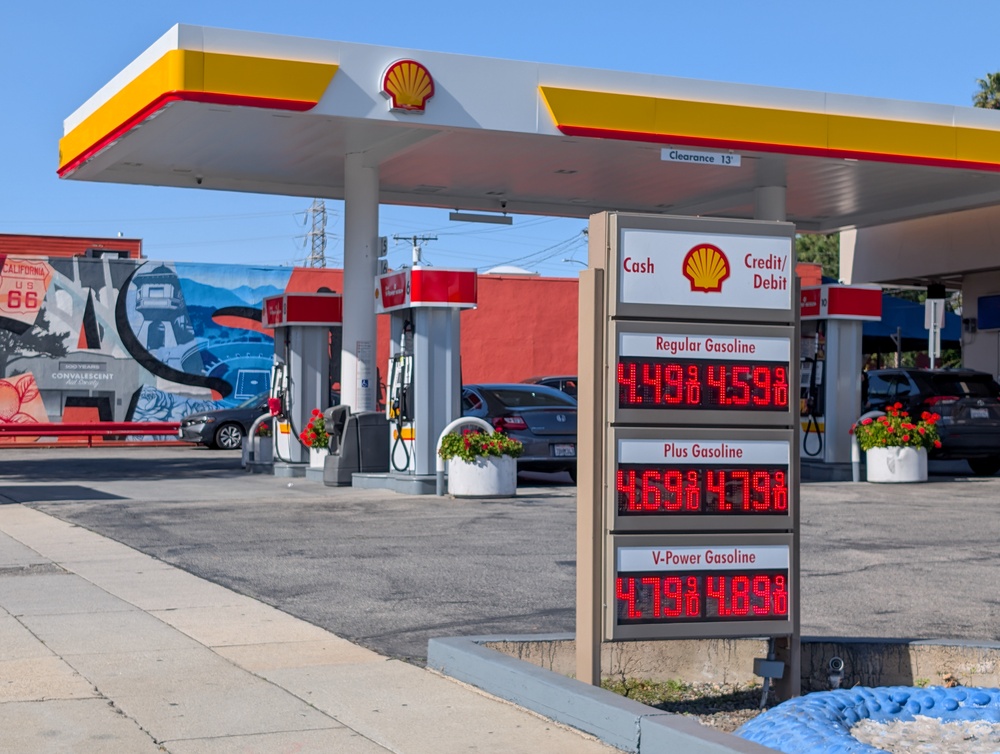
Drivers in the United States have been watching gas prices drop for six consecutive weeks, and that is genuinely good news after months of pain. At a recent peak on May 21, the national average hit $4.56 a gallon; it has since come down roughly 30 cents, a decline of about 6.5%. The easing traces directly to the diplomatic progress between the U.S. and Iran. Crude oil prices have tumbled to their lowest point since the early days of the conflict, falling nearly 13% in a single week after President Trump, Iranian leaders, and Pakistani negotiators all signaled that a deal to end the war was about to be signed. The prospect of reopening the Strait of Hormuz — through which roughly 20% of the world’s oil and liquefied natural gas normally passes — is doing much of the work.
The cautionary note is a big one, though. Experts warn it could take many months, possibly well into 2027, before gas prices return to pre-war levels, even if the ceasefire holds. There are structural reasons for that lag: gas stations sell through existing inventory purchased at earlier, higher prices, refiners need time to adjust production schedules, and fuel has to move through pipelines and distribution networks before consumers feel the difference. Producers may also be reluctant to restart output until they are convinced the peace will hold — restarting is costly, and no one wants to shut back down if the conflict revives. Six weeks of declining prices is encouraging. It is not, yet, the all-clear.
Not to mention that in exchange for lower gas prices, our ally Israel is being thrown under the bus, or perhaps more accurately, to the wolves.